How Medical Alarms New Zealand Help Seniors Stay Safe at Home
Understanding the Role of Medical Alarms in Daily Life
For many seniors in New Zealand, the idea of leaving their own home is not appealing. They have spent decades building memories in their community, and the thought of moving into a care facility can feel like a loss of independence. Yet families worry about falls, sudden illness, or the simple fear of being alone without help. Medical alarms New Zealand have become a practical middle ground, letting older adults remain in familiar surroundings while ensuring that help is only a button press away.
These systems are not just about emergency response. They also give peace of mind to adult children who live in another city or even overseas. When a parent wears a pendant or wristband, the family knows that if something goes wrong, they will be notified. That reassurance can make the difference between a senior staying at home or being moved into supported accommodation.
What to Look For in a Personal Emergency Alarm
Choosing the right device depends on lifestyle, health conditions, and living situation. A person who enjoys gardening alone might need a different setup than someone who rarely leaves the sofa. Here are the key features to consider:
- Fall detection, Many falls happen when a person cannot reach the button. Automatic fall detection senses the impact and sends an alert even if the wearer is unconscious.
- GPS tracking, For those who walk or take public transport, a device with GPS allows caregivers to know their location if the alarm is triggered outside the home.
- Two-way calling, Being able to speak directly with a monitoring operator through the device means the senior can explain what happened and receive instructions.
- Battery life and waterproof rating, A device that needs charging every night is a burden. Look for long battery life and waterproof construction so it can be worn in the shower, where many falls occur.
Some devices come as a pendant, others as a wristband. The choice often comes down to comfort. A pendant can be worn under clothing and is less noticeable, while a wristband might be easier for someone with arthritis to press. The best solution is the one the person will actually wear every day.
Why No Monthly Fees Makes a Difference
Many traditional medical alarm companies charge ongoing monthly subscription fees that can add up to hundreds of dollars a year. For seniors on a fixed income, that cost can be a real barrier. Some providers, like Familyr, offer a model where you pay once for the device and then have no monthly fees. That upfront investment means the system continues working without stressing the household budget.
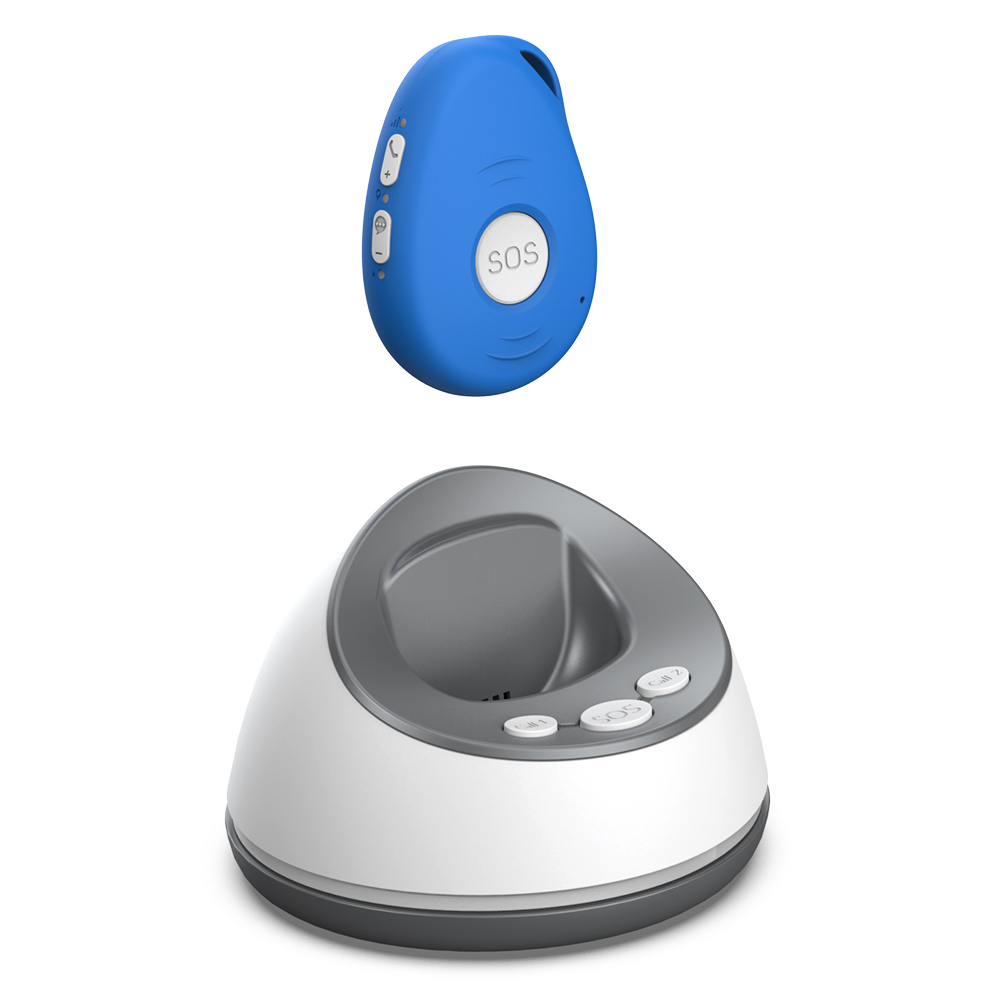
It is worth checking whether the device includes a SIM card or data plan. If there are no monthly fees, the manufacturer has likely built the cost of connectivity into the hardware price. Ask about what happens if the cellular network changes or if the device needs a new SIM. A transparent company will explain the terms clearly.
Fall Detection and GPS Tracking in Practice
Fall detection technology has improved a lot in the last few years. Older systems would sometimes mistake a sudden movement for a fall, leading to false alarms. Modern devices use accelerometers and sometimes gyroscopes to measure the angle and force of a fall. They can tell the difference between dropping the pendant and actually falling. That accuracy matters because too many false alarms make people stop wearing the device.
GPS tracking is especially useful for seniors who still drive or enjoy walking the dog. If they press the alarm button while out of the house, the system sends their location to family members or a monitoring centre. That can be a lifesaver if someone gets lost or disoriented. It also helps when a senior with dementia wanders away from home. The caregiver can open a mobile app and see exactly where they are.
Emergency Response and Family Monitoring
Not all medical alarms connect to a central call centre. Some systems let you choose whether alerts go to family members, neighbours, or a professional monitoring service. For many families in New Zealand, having the alert go straight to a designated caregiver is enough. They know their loved one and can respond quickly. Others prefer the backup of 24/7 monitoring by a third party, especially if the senior lives alone or has complex medical needs.
St John offers monitored response services in parts of New Zealand, and Age Concern also provides support and advice on staying safe at home. The ACC (Accident Compensation Corporation) sometimes covers the cost of a medical alarm for people recovering from injury. It is worth asking your local district health board or a telehealth provider about funding options. The key is to set up the system so that the right people get notified the moment the alarm is triggered.

Practical Tips for Getting the Most Out of Your Alarm
Buying the device is only the first step. Here is how to make sure it actually helps:
- Wear it all the time. The most common reason an alarm fails is that it is sitting on the bedside table when a fall happens. Find a comfortable pendant or wristband and make it part of the morning routine.
- Test the battery and signal weekly. Most devices have a test button. Use it. A dead battery or lost connection defeats the purpose.
- Program emergency contacts carefully. List the people who are most likely to answer the phone and who live close enough to respond quickly.
- Practice with the two-way calling feature. If the senior has not used a speakerphone before, the first real call can be confusing. A dry run removes that stress.
- Keep the mobile app updated. Caregivers should install the app on their own phone and check that notifications work.
Medical Alarms New Zealand: A Growing Option for Independent Living
As the population ages, more families are looking for ways to support their parents without taking away their autonomy. Medical alarms New Zealand offer a scalable solution. They work for someone who is still active and just wants a safety net as well as for someone who has multiple chronic conditions and needs daily check-ins. The range of devices on the market means you can find one that fits the person’s specific situation.
One common concern is whether the device will work in rural areas. Many New Zealand homes sit outside city centres, and cellular coverage can be patchy. Before buying, check whether the alarm uses the mobile network that has good reception at the senior’s home. Some providers let you test the signal before committing. That step saves frustration later.
The Social Side of Staying Safe
Wearing a medical alert pendant or wristband does not have to feel like a surrender. In fact, many seniors find that having the device gives them the confidence to keep doing the things they enjoy. They go out to meet friends, attend community events, or volunteer because they know help is on call if needed. That social connection is just as important as the physical safety the device provides.
Caregivers also benefit. The constant worry at the back of your mind, “What if Mum falls while I am at work?”, eases when you know the alarm will notify you. That reduced stress makes it easier to have a normal relationship with the person you are caring for, rather than one based on fear.

Final Thoughts on Choosing the Right System
There is no single best medical alarm for everyone. The right choice balances reliability, cost, and the daily habits of the user. Look for a provider that offers a clear return policy, good customer support, and a device that works without complicated setup. If you can find a system with no monthly fees, long battery life, and waterproof construction, you are already ahead.
Organisations like St John and Age Concern can point you toward reputable suppliers, and your local ACC office may have information about subsidies. Take the time to involve the senior in the decision. If they choose the colour and style of the pendant, they are more likely to wear it. And wearing it is what keeps them safe.